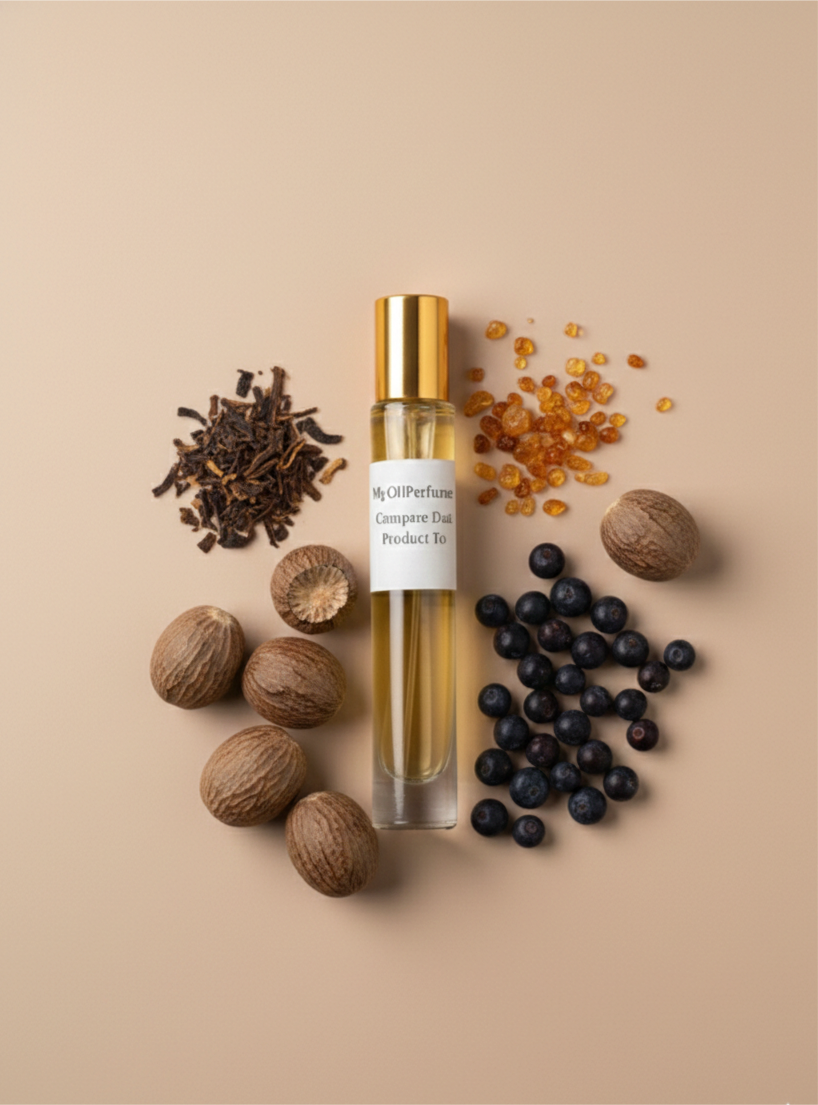
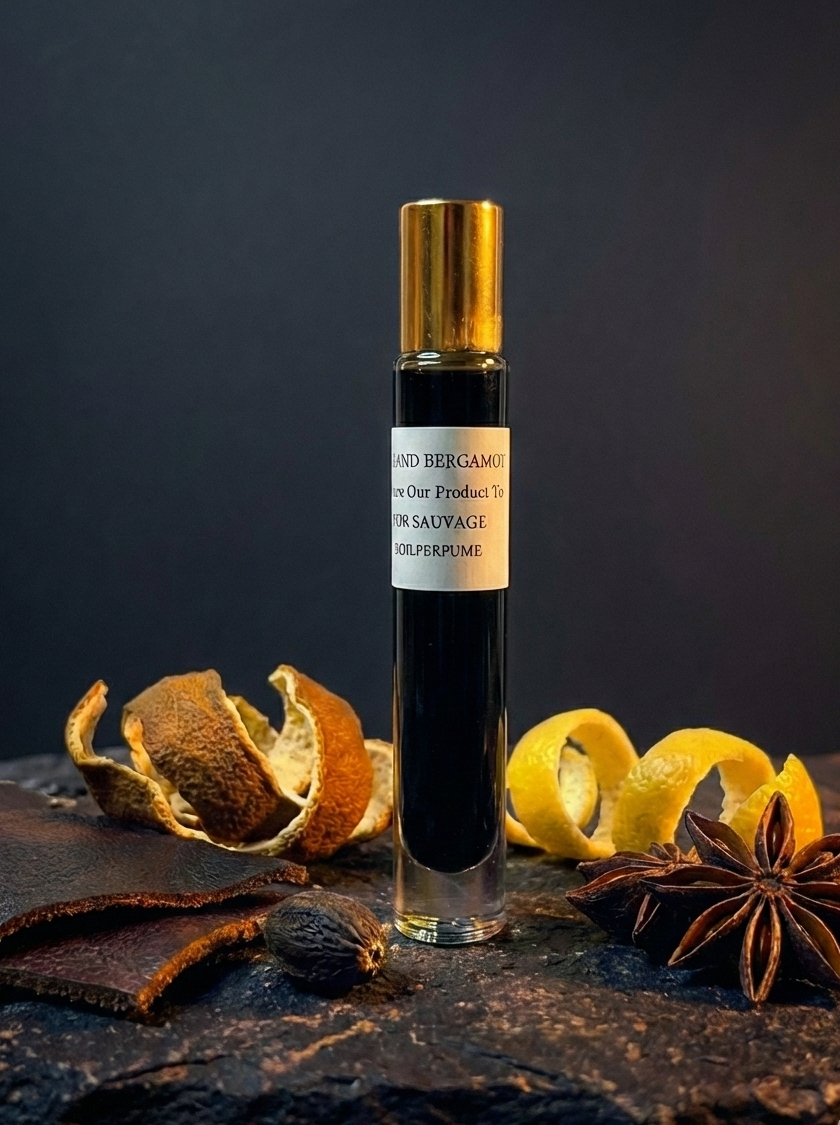
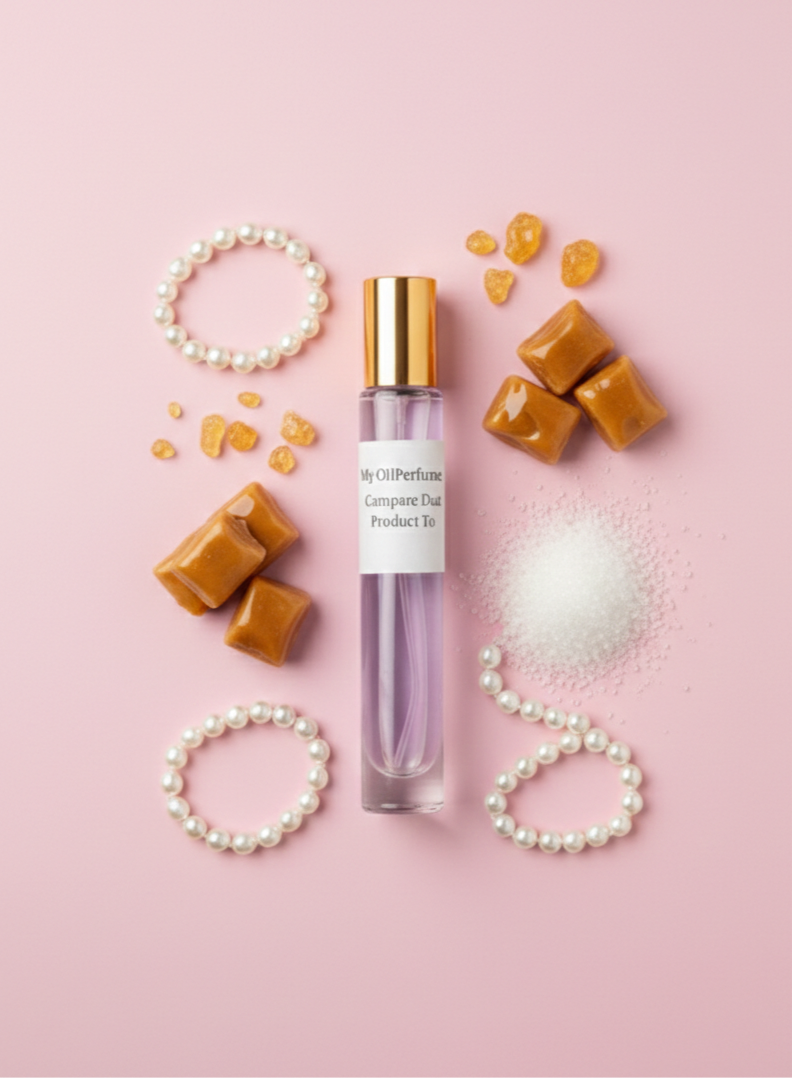
Finding a fragrance that matches your personality can be an enjoyable experience. Some days, you may prefer a light scent for everyday wear, while other occasions call for something deeper and more memorable. Fragrance body oils offer the flexibility to enjoy different scent profiles and personalize your fragrance routine.
For those interested in alcohol free perfume oils, there are several ways to incorporate fragrance into daily life. You can wear a perfume oil on its own or layer it with a complementary fragrance to create a scent that suits your personal preferences.
At My Oil Perfume, fragrance enthusiasts can explore scents inspired by MFK, Tom Ford, YSL, Kilian, Creed and many more, with fragrance profiles ranging from woody and warm to sweet, floral, and fresh.
My Oil Perfume is an independent fragrance retailer and is not affiliated with, endorsed by, or associated with MFK, Tom Ford, YSL, Kilian, Creed, or their respective owners. References to these names are intended to describe fragrance inspiration only.
What Makes Fragrance Body Oils Different?
Fragrance body oils are scented formulations designed for application to the skin when the product is specifically made for that purpose. They generally combine fragrance ingredients with a suitable base, creating an alternative to traditional spray perfumes.
Unlike many conventional spray fragrances that use alcohol as a solvent, alcohol-free perfume oils are formulated without alcohol as an ingredient. Their texture, application method, and fragrance development can vary depending on the formulation.
Popular fragrance families include:
-
Floral: Rose, jasmine, and elegant flower-inspired aromas.
-
Woody: Sandalwood, cedar, and earthy notes.
-
Fresh: Clean, airy, and refreshing scent profiles.
-
Amber: Warm, smooth, and slightly sweet fragrances.
-
Oud and musk: Rich, distinctive, and deep aromatic profiles.
-
Fruity: Juicy, sweet, and vibrant fragrance notes.
These fragrance families make it easier to find an oil that suits your preferences, whether you enjoy understated everyday scents or more pronounced evening fragrances.
Can You Wear Alcohol-Free Perfume Oils Alone?
Absolutely. A suitable perfume oil can be worn on its own without adding a separate spray perfume. This approach works well when you want a straightforward fragrance routine or prefer to appreciate one scent at a time.
The amount you apply can influence the fragrance's intensity. Starting with a small quantity allows you to understand how the scent develops before deciding whether you need more.
When to Wear Perfume Oil on Its Own
Everyday activities: Soft floral, fresh, or musk-based fragrances can be suitable for errands, casual outings, and daily routines.
Professional settings: A light application can provide a more restrained fragrance experience in offices and other shared environments.
Warm weather: Fresh, citrus, and lighter floral profiles may feel pleasant during hot Texas summers. Apply sparingly and assess how the scent develops.
Evening occasions: Amber, oud, and woody fragrances can provide a richer aromatic character for dinners, celebrations, and special events.
Wearing an oil alone also helps you understand its individual notes without another fragrance influencing the overall scent.
How to Layer Fragrance Body Oils with Perfume
Fragrance layering involves combining compatible scented products to create a personal fragrance combination. You might pair a soft musk oil with a fresh perfume or use a warm vanilla oil to complement a woody fragrance.
If you enjoy fragrances inspired by MFK, Tom Ford, YSL, Kilian, Creed and many more, layering can provide another way to experiment with different fragrance styles.
Step 1: Begin with Clean Skin
Apply fragrance after bathing or washing the intended area. Pat your skin dry and use a fragrance-free moisturizer if needed.
Avoid combining too many scented skincare products at the same time, as their aromas may compete with your chosen fragrance.
Step 2: Apply a Small Amount of Fragrance Oil
Use a small quantity of skin-safe fragrance body oil on your wrists or forearms, following the product instructions.
Allow the scent to settle before introducing another fragrance. This gives you a better opportunity to understand the oil's individual character.
Step 3: Introduce Your Perfume
Apply a light amount of your chosen spray perfume to a separate nearby area initially. Testing the products separately helps you evaluate their compatibility before applying them together.
If you enjoy the combination, you can experiment with applying them closer together during a future use.
Step 4: Evaluate the Scent
Give the combination several minutes to develop. Fragrances can change as their more volatile notes fade and deeper notes become more prominent.
If the result feels too sweet, sharp, or heavy, reduce the amount of one product the next time you wear it.
Step 5: Adjust for Your Environment
A bold fragrance combination might suit an evening gathering but feel too strong in a warm office. Consider the setting, weather, and people around you before applying additional fragrance.
Which Fragrance Combinations Work Well Together?
Pairing complementary fragrance families is a useful starting point when experimenting with body oils and perfumes.
|
Fragrance Body Oil |
Complementary Perfume Style |
Overall Impression |
|
Vanilla |
Woody or amber |
Warm and creamy |
|
Soft musk |
Fresh or citrus |
Clean and understated |
|
Rose |
Floral |
Romantic and delicate |
|
Sandalwood |
Vanilla or amber |
Smooth and rich |
|
Oud |
Woody or spicy |
Deep and distinctive |
|
Fresh-inspired oil |
Aquatic or citrus |
Light and refreshing |
These combinations are suggestions rather than fixed rules. Your preferred result will depend on the specific formulations and how the fragrances develop on your skin.
Explore Different Fragrance Inspirations
Fragrance styles inspired by well-known perfume houses can offer different directions for your personal collection.
-
MFK-inspired fragrances: Consider refined amber, musk, or floral scent profiles.
-
Tom Ford-inspired fragrances: Explore bold woody, spicy, amber, or rich floral characteristics.
-
YSL-inspired fragrances: Look for fresh, aromatic, sweet, or sophisticated woody styles.
-
Kilian-inspired fragrances: Consider warm gourmand, vanilla, amber, or expressive sweet profiles.
-
Creed-inspired fragrances: Explore fresh citrus, green, woody, or aromatic compositions.
These descriptions refer to general fragrance styles and are not claims that every fragrance from a particular house shares the same notes. Exact scent characteristics depend on the fragrance being referenced.
When discussing inspired fragrances, the term indicates a scent direction or resemblance rather than an original product from the named perfume house. Brand names and trademarks belong to their respective owners.
Alcohol-Free Perfume Oils vs. Traditional Spray Perfumes
Both formats can be useful, depending on your preferences and how you want your fragrance to perform.
|
Feature |
Alcohol-Free Perfume Oils |
Traditional Spray Perfumes |
|
Application |
Usually applied in small quantities |
Typically sprayed onto suitable skin or clothing |
|
Texture |
Oil-based, depending on the formula |
Generally less oily during application |
|
Scent projection |
Often stays closer to the application area |
May create a broader scent trail |
|
Layering |
Can complement other compatible fragrances |
Can be worn alone or layered |
|
Portability |
Roll-on formats can be convenient |
Depends on bottle size and packaging |
|
Longevity |
Varies by formulation |
Varies by formulation |
Neither format automatically lasts longer than the other. Ingredients, fragrance concentration, application amount, skin characteristics, and environmental conditions all influence performance.
If you prefer a fragrance that stays relatively close to your skin, an oil may suit your routine. If you enjoy a more noticeable scent trail, a spray perfume may be preferable. Testing individual products is the best way to compare them.
Practical Tips for Wearing Fragrance Oils in Texas
Warm weather can influence the way a fragrance develops. Heat may increase the evaporation of certain fragrance ingredients, while perspiration and environmental conditions can also affect your overall fragrance experience.
Consider these practical tips:
-
Apply sparingly: Start with a small amount instead of layering several generous applications.
-
Try fresh scent profiles: Citrus, soft musk, and light floral fragrances can be pleasant options for daytime use.
-
Use suitable moisturizers: A fragrance-free moisturizer can help prevent additional scented products from competing with your perfume.
-
Allow time between applications: Assess the scent before deciding whether more is necessary.
-
Be considerate in shared spaces: Keep fragrance subtle in offices, restaurants, and crowded indoor environments.
-
Follow skin-safety instructions: Use only oils formulated for skin application and avoid irritated or broken skin.
These adjustments can help you enjoy fragrance comfortably without relying on excessive application.
Common Fragrance Layering Mistakes to Avoid
Applying Too Much Fragrance
Using a large amount of both body oil and spray perfume can produce an overwhelming result. Start with less and gradually adjust according to your preferences.
Combining Too Many Strong Scents
A powerful oud oil, sweet gourmand fragrance, and spicy perfume may compete for attention when worn together. Begin with two complementary products before experimenting with more combinations.
Ignoring Skin Sensitivity
Fragrance ingredients can cause irritation or allergic reactions in some individuals. Review product ingredients, follow application instructions, and discontinue use if irritation occurs. A patch test may help identify potential reactions but cannot guarantee that sensitivity will not develop later.
Using Oils Not Intended for Skin
Fragrance oils made for diffusers, candles, or household products are not automatically suitable for body application. Always check that the product is specifically intended for use on the skin.
Expecting Identical Performance from Every Fragrance
Different oils have different formulations and concentrations. Some may remain noticeable for several hours, while others fade sooner. Test each product to understand its performance rather than assuming every oil will last all day.
Key Takeaways
-
Alcohol-free perfume oils can be worn alone or layered with compatible fragrances.
-
Inspired fragrance styles provide opportunities to explore scents associated with MFK, Tom Ford, YSL, Kilian, Creed and other perfume houses.
-
Similar fragrance families can be a useful starting point for layering.
-
Small applications help you assess scent intensity and reduce the risk of an overpowering combination.
-
Weather, skin characteristics, ingredients, and formulation affect fragrance performance.
-
Always use products that are specifically formulated for skin application.
Frequently Asked Questions
1. Are alcohol-free perfume oils better than regular perfume?
Neither is universally better. Perfume oils may appeal to people who prefer oil-based application and a fragrance that often stays closer to the skin. Spray perfumes may suit those who prefer a broader scent trail. The best option depends on your preferences and the specific formulation.
2. Can I apply fragrance body oil before spraying perfume?
Yes, if both products are suitable for their intended use. Apply a small amount of body oil first, let it settle, and test your perfume on a nearby area. Adjust the quantities to achieve a balanced result.
3. Do alcohol-free perfume oils last longer than spray perfumes?
Not necessarily. Longevity depends on the formula, fragrance concentration, ingredients, application amount, and individual skin characteristics. Performance varies between products.
4. Which fragrance oils are suitable for hot weather?
Fresh, citrus, soft musk, and light floral profiles are common options for warm weather. Apply a small amount first and assess how the fragrance develops throughout the day.
5. Can I combine two different perfume oils?
Yes, provided both are intended for skin application and their fragrance profiles work well together. Start with small amounts and test the combination before wearing it for an extended period.
6. What does inspired by MFK, Tom Ford, YSL, Kilian and Creed mean?
The phrase generally describes fragrances created to evoke a scent style associated with those perfume houses. An inspired fragrance is not necessarily an original product from the named brand. Check the product description and labeling to understand exactly what is being offered.
7. Can fragrance body oils replace spray perfume?
Yes. A skin-safe fragrance oil can be worn on its own if you enjoy its scent and performance. You do not need a spray perfume unless you prefer its application style or want to experiment with layering.
Conclusion
Fragrance body oils provide flexibility for people who enjoy experimenting with scent. Wearing an oil alone offers a straightforward approach, while pairing it with a compatible perfume can create a more individual fragrance experience.
If you enjoy fragrance styles inspired by MFK, Tom Ford, YSL, Kilian, Creed and many more, consider starting with a scent family you already like. Apply a small amount, observe how it develops on your skin, and experiment with layering only when you want a different result.
At My Oil Perfume, you can explore perfume oil options and compare different fragrance profiles to find scents that complement your everyday routine or special occasions.